
“When I was falling, my children held me. And when they were falling, I held them.”
✍️This is the story of a mother raising two autistic children in England. A story of years filled with court battles, fear, diagnoses — but also courage, love, and the truth that even when life takes everything from you, you can still keep giving. Us and autism…
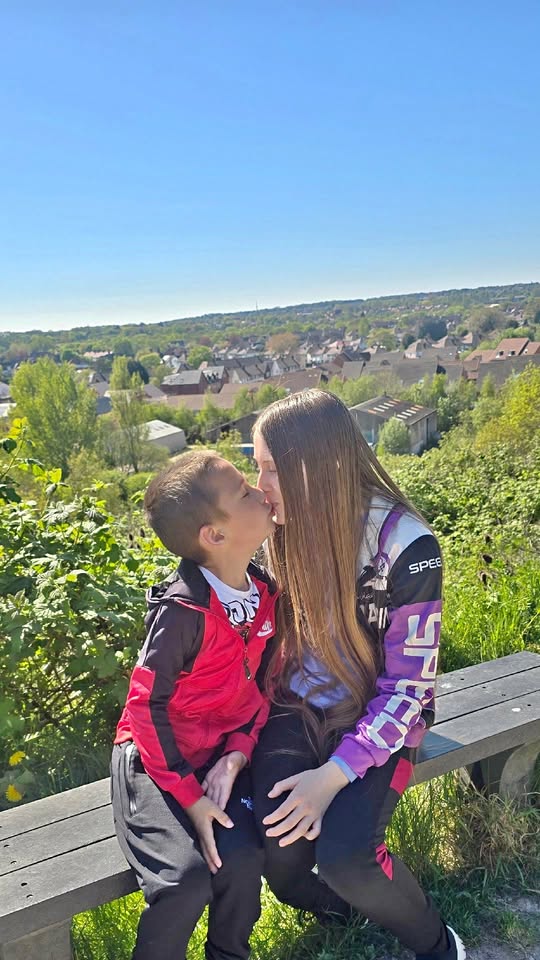
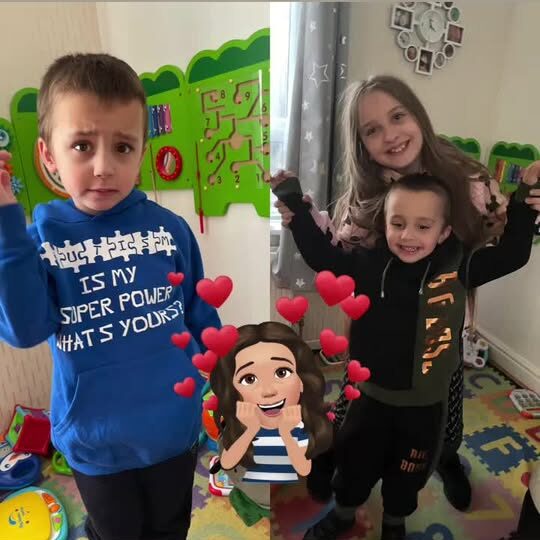
How It All Began
I came to England in 2010 with a simple plan: work, live, try something new. Starting a family wasn’t part of it. But life found me long before I was ready.
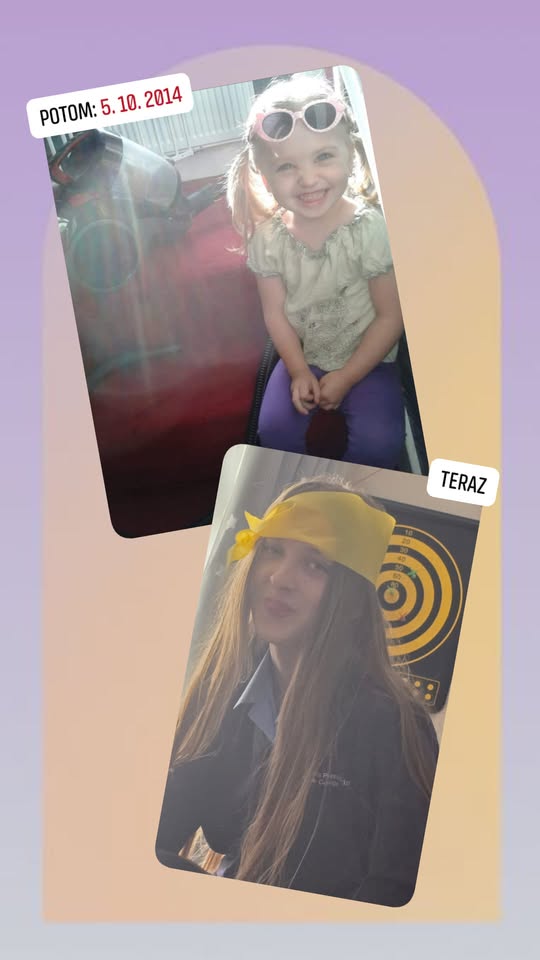
In 2012, my daughter was born. My first child. My Sasha. A little girl who was different from the very beginning — sensitive, smart, quick, yet fragile at the same time. And I had no idea that one day I would spend ten years fighting just to make someone listen to her.
Early Signs Only a Mother Can See
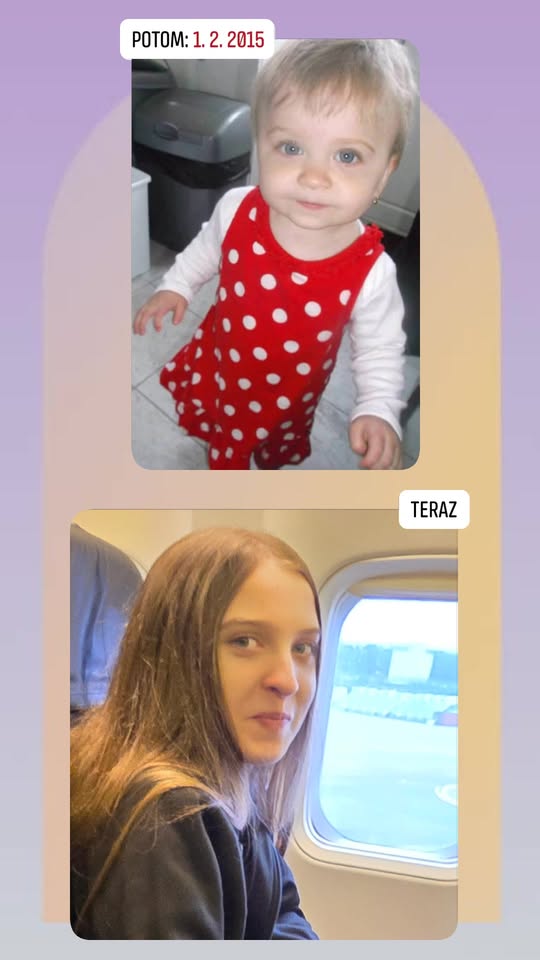
My daughter developed quickly — letters, numbers, her first words. But around the age of two, strange moments began to appear: for example, whenever she saw me standing by the kitchen counter, she would start gagging until she vomited. Something inside her was reacting differently. And that was the first time I said the word autism out loud.
Back then, I still didn’t know what that word truly meant. I only felt that something was different.
Life circumstances that not everyone could handle — and in the middle of it all, a child who needed peace.
When I ended things with her biological father, it was because of drugs, arguments and chaos. She loved him, she looked forward to seeing him — and that made what happened even more painful.
She was learning to use the potty. One day she peed on the floor, he slipped on it… and he beat her so hard she couldn’t sit down. He brought her back to me crying, in pain — and on top of that, he was high.
That was the end. And the beginning of court battles, stalking, attempts to take her away, incidents in front of the nursery, in front of teachers, in front of my mum. And in the middle of all of that, I kept noticing more and more of my daughter’s differences.
Not because she was “bad.”
But because she was different.
Only no one wanted to see it back then.
The court cases with her biological father lasted more than two years. And so much more happened than could ever fit into a single article. Honestly — it would be enough for at least two books.
SENCO, the Paediatrician, and the Endless Waiting
In the nursery, I asked for references for the paediatrician — in England, that’s handled by the SENCO. And that’s when the whole carousel began:
- lost paperwork,
- waiting lists,
- lack of willingness,
- years of explaining,
- years of proving,
- years of being “that hysterical mother.”
The appointment with the paediatrician took two and a half years. And when we finally got in, they told me my daughter was just shy. That she had two languages and could play with the toy kitchen. That she was healthy.
And I knew there was so much more behind it all.
The Court Case That Hit Me, but Didn’t Break Me
When her biological father filed for a court order, I was already pregnant. In court, they believed his words instead of my evidence…
The judge accused me of “putting ideas into my daughter’s head.” And then he said a sentence that carved itself into my bones:
“I can take your daughter away from you completely.”
I stood there, eight months pregnant, shaking from the stress. But I didn’t give up.
⭐
In England, when a parent needs to apply for child contact, they submit a C100 form to the Family Court. I went through it too, and I know how hard it is to even click on that link. If anyone needs it, here is the official page: https://www.gov.uk/looking-after-children-divorce/apply-for-court-order
And here you can find your nearest Family Court based on your address: https://www.gov.uk/find-court-tribunal
My Son — A Different Story, and a Much Harder One
In 2017, my son was born. I thought I already knew what motherhood was.
But his story was different.
So much harder.
As a baby, he cried all day long.
Not for hours — for days.
Only later did I understand that this too had been a sign.
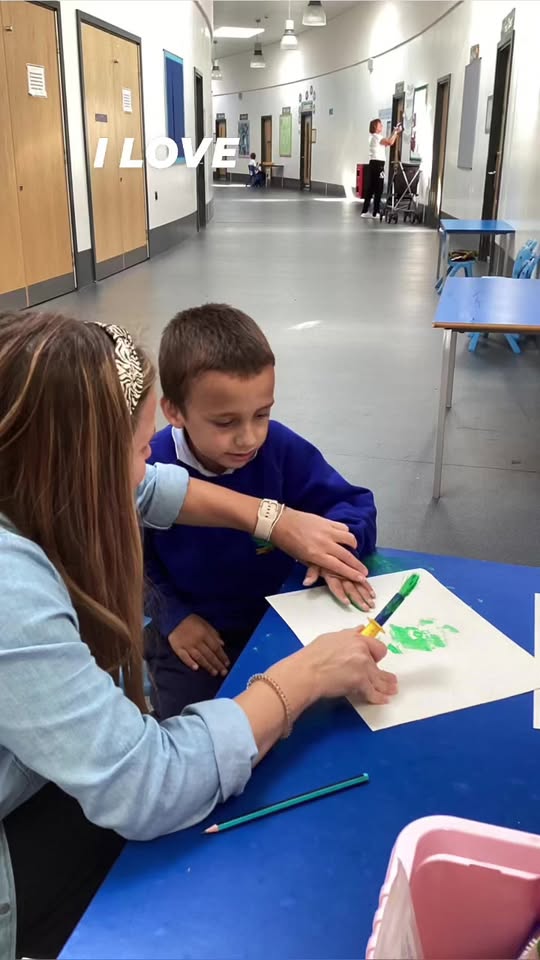
Around six months in, I started noticing his eye contact, his hands, his movements.
Something was different.
And when I said the word autism out loud, his father didn’t want to hear it.
But I already knew what I was seeing.
And I called the health visitor.
Even after our visit, it was immediately clear to her that autism would be mentioned in our family many more times.
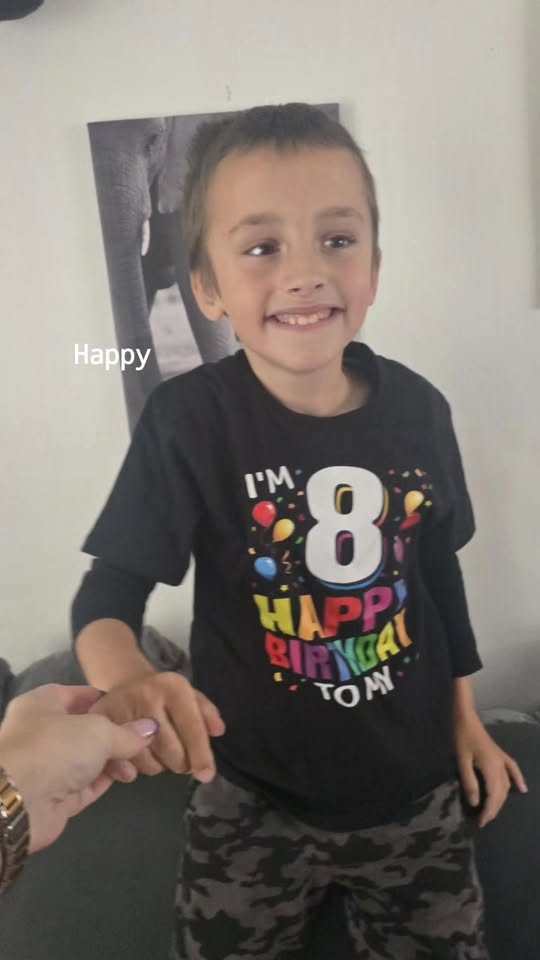
My son received his diagnosis earlier than my daughter.
Autism spectrum disorder, nonverbal.
And in 2020, his father left our home for good.
Today, he is my ex‑husband…
When I lived with my son’s father, my daughter called him “dad.” Even though she knew he wasn’t her real father… But he treated her like a soldier in training:
- hardness,
- exclusion,
- different rules for her,
- and yes — he hit her too, but in the face.
He favoured our son and his children from his previous marriage. For him, my daughter was a “problem.” And I defended her. My little girl… And that made everything at home even worse.
One day I said: enough.
It didn’t matter what happened to me — but my children were not going to suffer anymore.
When problems with contact started later on, his father made no effort. He didn’t deal with it, he didn’t communicate — he only tried to hurt me. First, he applied for mediation… where we still couldn’t reach an agreement. And he promised he would file an application with the court so he could see his son.
My mum came to help then, to stay with the children while I went into the bedroom to speak with the mediator. We had no idea that on that very day she had Covid.
She left my house on Friday, and that evening her first symptoms appeared. It hit me on Monday — the exact day I finally had an appointment with the paediatrician for my daughter.
At the appointment, I almost fainted. I barely made it to the car and had to wait until I felt well enough to drive home. For three weeks, I thought I might die. It was the first time I ever lay down during the day, next to the children, watching my son with one eye. But even that was sometimes only ten minutes — he often needed a drink, food, a nappy change, or a bath.
I ordered groceries online, and they were left at the gate in front of the house. Thankfully, I had a stock of the foods my son needed most, since his diet is so limited.
Later, unfortunately, another kind of hell began.
Since my son’s father still made no effort, in the end it was me who filed the court application. Not because I wanted to fight — but because I needed clear rules, peace, and safety for my children.
The court proceedings lasted more than two years.
The judge didn’t believe me.
She ignored the evidence.
Everything kept repeating, and many times I felt completely helpless. Even the restraining order meant nothing to him — or to the judge.
And my daughter heard all of it.
The arguments, the tension, the stress, the police.
It left its mark on her too.
I know that Nico felt all of it too. Even if he doesn’t understand the words.
Today, the children no longer see their fathers. In the end, it was their decision.
My daughter’s diagnosis — ten years of fighting
When I transferred my daughter to the same paediatrician my son had, everything started all over again. Papers, videos, photos, years of waiting.
Only at the age of 13 did she finally receive her diagnosis:
autism spectrum disorder + high anxiety.
The family went quiet. Suddenly no one was saying I was making things up anymore.
How support works in England
(and how it doesn’t)
In England, there is something called speech and language therapy — similar to a speech therapist. My daughter receives this support in a way where once a year a woman comes to the school, shows her some pictures, asks a few questions… and then “assesses” her.
Honestly?
It’s not help at all.
When it comes to autism, there are charities and centres, but getting access to them is almost impossible for many parents. I couldn’t get in even with a referral from the paediatrician.
In England, there are nowhere near as many specialists as in Slovakia. Basically, you have:
- a paediatrician who gives the diagnosis,
- and then… nothing.
My son receives nappies from the state. “A whole” three per day. They arrive by post every four months. The rest I have to buy myself.
.
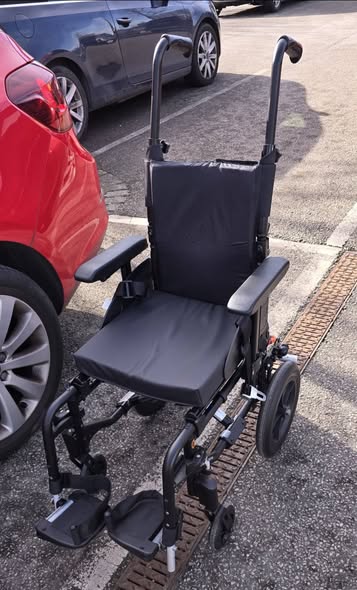
We were also entitled to a special buggy — or more like a wheelchair — from the state. My son couldn’t walk for long, and when he was younger, he would often fall straight to the ground, hitting his head. But thankfully, it has improved, and now we use the buggy only minimally.
I’m grateful that my son goes to a special school.
And I see it as his therapy:
- a small class, around 10 children,
- their own swimming pool,
- horses occasionally as part of therapy (not regularly),
- individual support.
This is the biggest help he can get here.
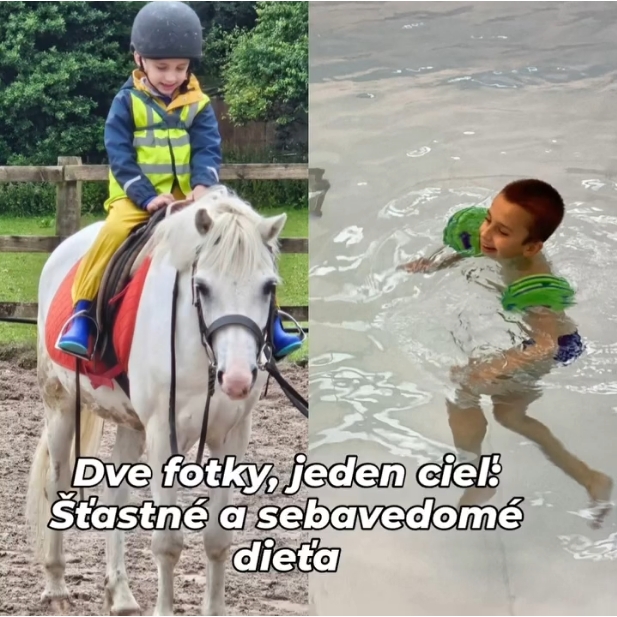
“Two photos, one goal: A happy and confident child.”
Today – our life, our peace, our new beginning
My daughter Sasha is 14.
My son Nico is 8y.
They are both autistic, each in their own way. And I’ve learned to live between two worlds — their world and ours.
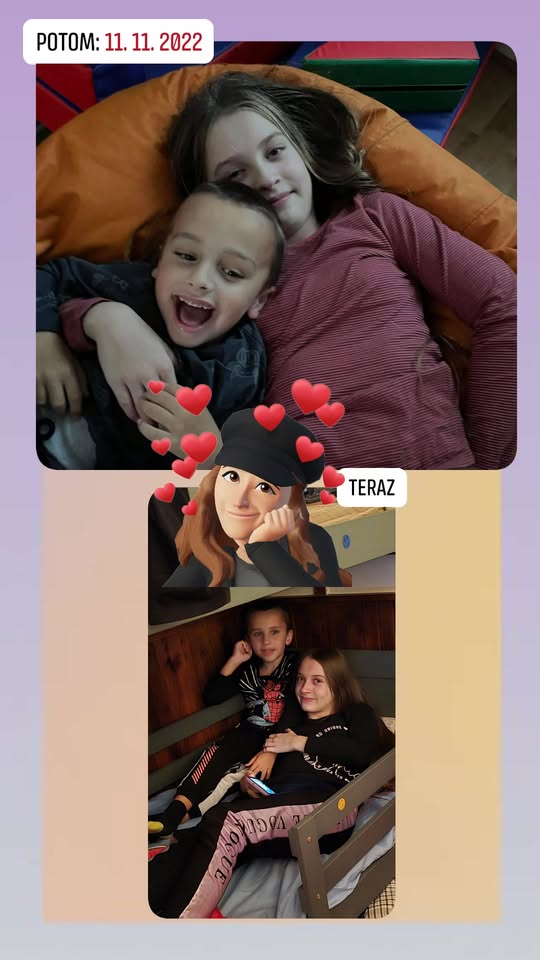
Since 2020, we’ve been on our own. It’s not easy, but it’s peaceful. My daughter loves her brother. And their laughter can be heard across the whole street. And sometimes their crying too. That’s our life.
And when everything finally started to calm down, when for the first time in years I felt like I could breathe…
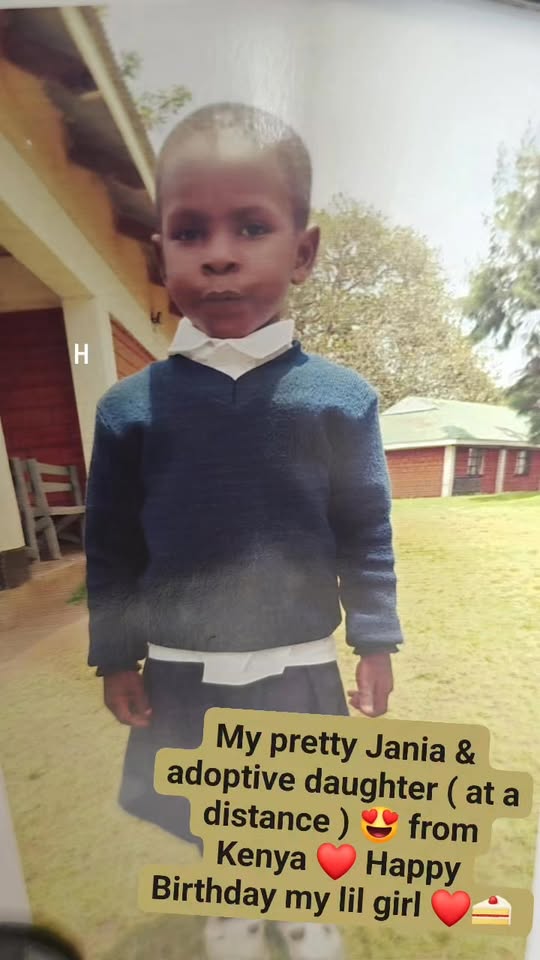
I adopted a little girl through long‑distance sponsorship.
Her name is Jania, she is five years old, and she lives in Africa.
The adoption is through Centrum Narovinu. I receive letters from her family, drawings, photos, messages from the coordinator, school reports, and even medical certificates. I contribute to her education and healthcare.
It’s a strange feeling — after everything we’ve been through, after everything I had to protect… To feel that I can help someone else too.
Not because I have to. But because I want to.
In my next blog, I want to write about everything autistic children are entitled to in England — and what doesn’t exist in Slovakia at all.
Discover more from s Dee o nás
Subscribe to get the latest posts sent to your email.