
When I moved to England, I knew many things would change. But it was the healthcare system that showed me just how huge the difference is between Slovakia and the NHS. Suddenly you realise you won’t see a specialist without a referral, Paracetamol is the answer to almost everything, waiting times can stretch into months or even years, and the whole system works completely differently from what we’re used to back home.
As I always tell anyone who asks me about England: It depends on who you come across.
🔵 Slovakia vs. England: Two Completely Different Worlds
Slovakia
- direct access to specialists
- faster diagnostics
- more proactive approach from doctors
- antibiotics prescribed more often
England (NHS)
- everything starts with your GP
- without a referral, you won’t see a specialist
- treatment is conservative: “wait, monitor, Paracetamol”
- waiting times are long — sometimes months, in some fields even years
My experience with GPs is simple: I never see the same doctor twice. Sometimes it’s fine, other times I had to book up to five appointments just to get what I needed. I learned to come prepared — researched diagnosis, the medication I want, the referral I need. Otherwise, nothing moves forward.
You can spend hours in A&E and sometimes leave without any solution. Doctors pass you around like a hot potato. That’s why many Slovaks prefer to sort out dentists, surgeries or examinations back home.
🔵 Why England Recommends Paracetamol for Everything
The NHS follows strict protocols:
- for pain, fever, viral infections → Paracetamol or Ibuprofen
- antibiotics only with clear evidence of bacterial infection
- GPs have limited time and many patients
- the NHS philosophy is: start with the simplest solution, specialist comes later
In practice, this means that sometimes they help immediately, and other times you leave with Paracetamol even for something that would be handled very differently in Slovakia.
🔵 IHS Fee: How Much It Costs and Whether It’s Worth It
Current rates:
- £1,035 per year – most adults
- £776 per year – children, students, Youth Mobility Scheme
You pay upfront for the entire visa period. For example, 3 years = £3,105 just for healthcare.
🔵 My Experience With Reimbursements and the European Health Card (GHIC/EHIC)
When I was in Slovakia with my daughter, we ended up in A&E and were then hospitalised for four days. They asked me to pay the full amount (around €800). Our insurance reimbursed it and I only paid about €50 as a co‑payment.
In Slovakia, it can also happen that they simply tell you “we don’t have a printer” and ask for a photocopy of your European card. That’s why I always carry it printed and saved on my phone.
If the hospital refuses to accept the card, you just call the number on the back — England will reimburse it. You just need to report it.
🔵 GHIC – What It Is and Why You Need It
After Brexit, the old EHIC card was replaced by the GHIC (Global Health Insurance Card). It is free, valid for 5 years, and gives you access to necessary state healthcare in EU countries under the same conditions as locals.
GHIC covers, for example:
- emergency care
- A&E
- visits to state doctors
- hospitalisation
- treatment of chronic conditions if they worsen during your stay
- routine maternity care (if you’re not travelling specifically to give birth)
It is not a replacement for travel insurance.
🔵 Travel Insurance – Another Option
For years, I arranged travel insurance separately before every holiday — either for specific dates or for the whole year. Today it’s much easier: I have insurance directly through my bank. It’s included in my account package, valid all year round, and I don’t have to think about it before travelling.
This option can make life much easier, especially for people who travel often.
🔵 Where to Apply for GHIC
You apply through the official NHS website:
https://overseas-healthcare.nhsbsa.nhs.uk/get-healthcare-cover-travelling-abroad/start
The card arrives by post in about 15 working days. Be careful — there are fake websites charging fees. GHIC is always free.
🔵 What If You Don’t Have the Card With You? (PRC)
If you need medical care abroad and don’t have your card with you, you can request a PRC – Provisional Replacement Certificate. It gives you the same rights as GHIC/EHIC. It is issued only when you already need treatment.
🔵 Giving Birth in England: A Completely Different World
If there’s one thing England does better than Slovakia, it’s maternity care. My experience was very positive — largely thanks to the midwife, the main maternity specialist in the UK.
Who Is a Midwife and What Do They Do?
A midwife in England is the primary specialist for pregnancy, birth and postnatal care. According to the NHS, a midwife:
- provides prenatal checks and screenings
- leads the birth and monitors mother and baby
- helps with pain management and birthing positions
- teaches breastfeeding, bathing and newborn care
- monitors healing after birth
- provides emotional support
- refers to a doctor if complications arise
In England, a midwife is someone who guides you from the positive test all the way to the first weeks at home.
🔵 How It Went for Me
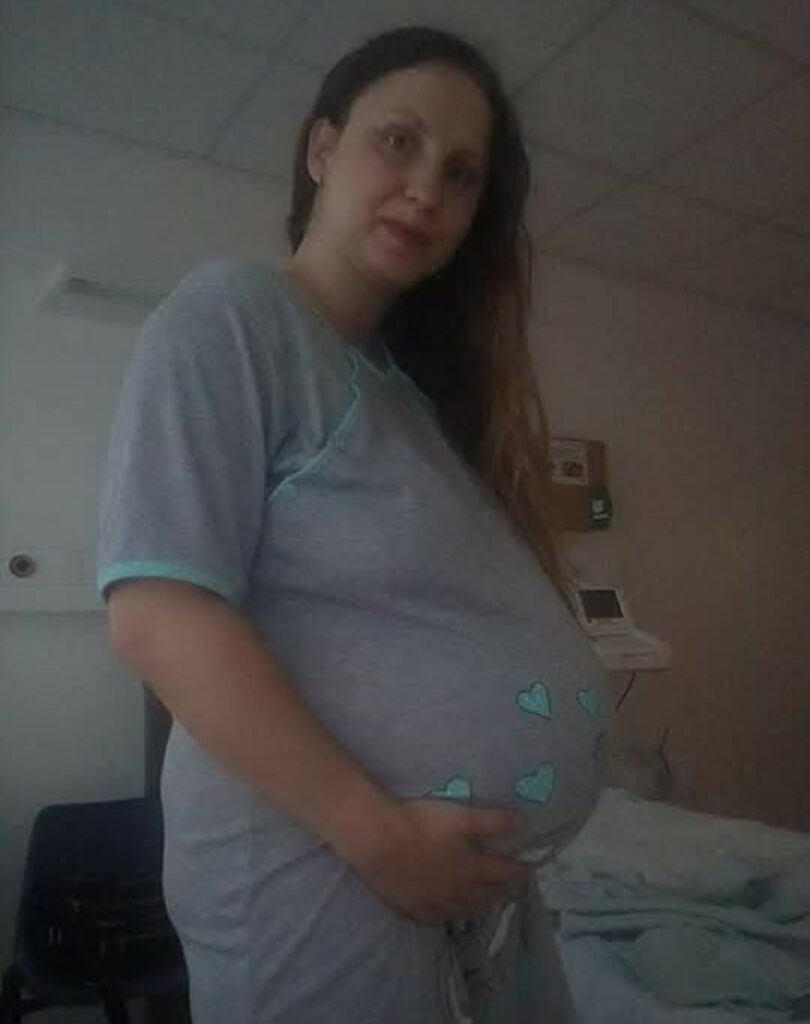
- I had a midwife with me throughout the entire birth
- they never took my baby away without asking
- whenever they wanted to check something, they always asked first
- a lactation consultant came to help
- I received a little sheet to track feeding, peeing and pooping
- I went home within 24 hours (after a C‑section often within 2 days — depending on how you feel)
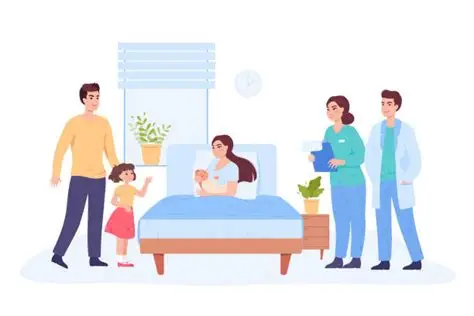
I had my own room with a shower and toilet. Right after birth, they placed my baby in my arms while I drank coffee, juice and ate toast with jam.
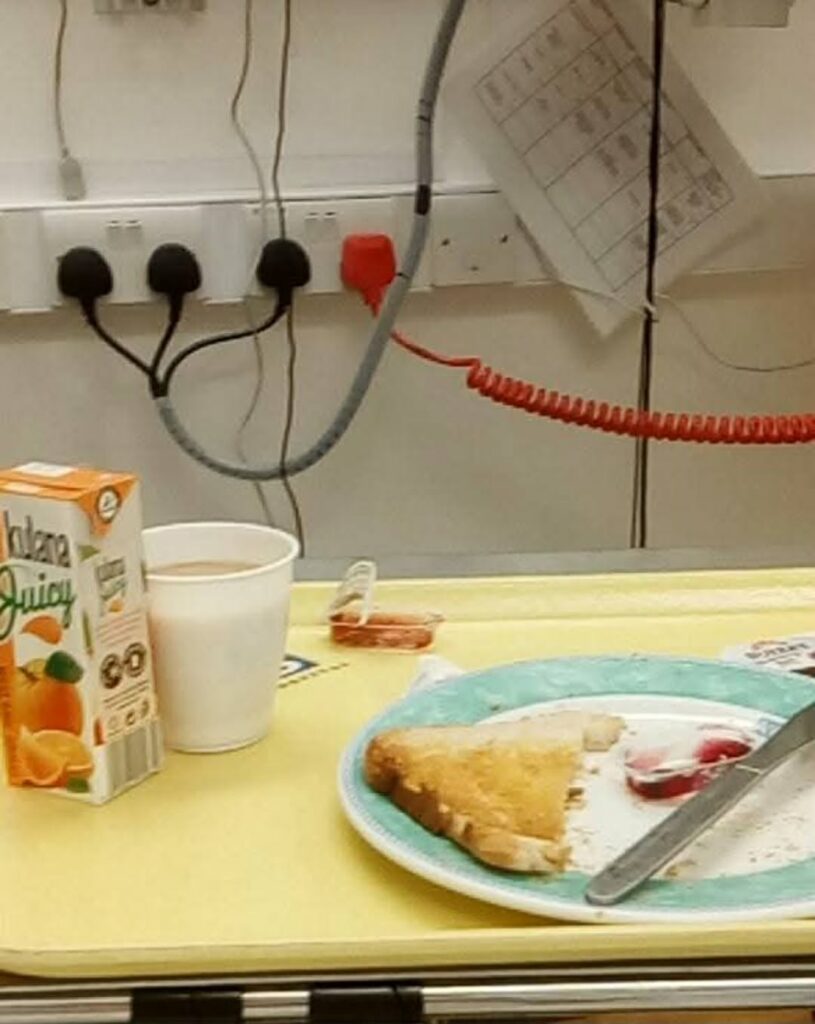
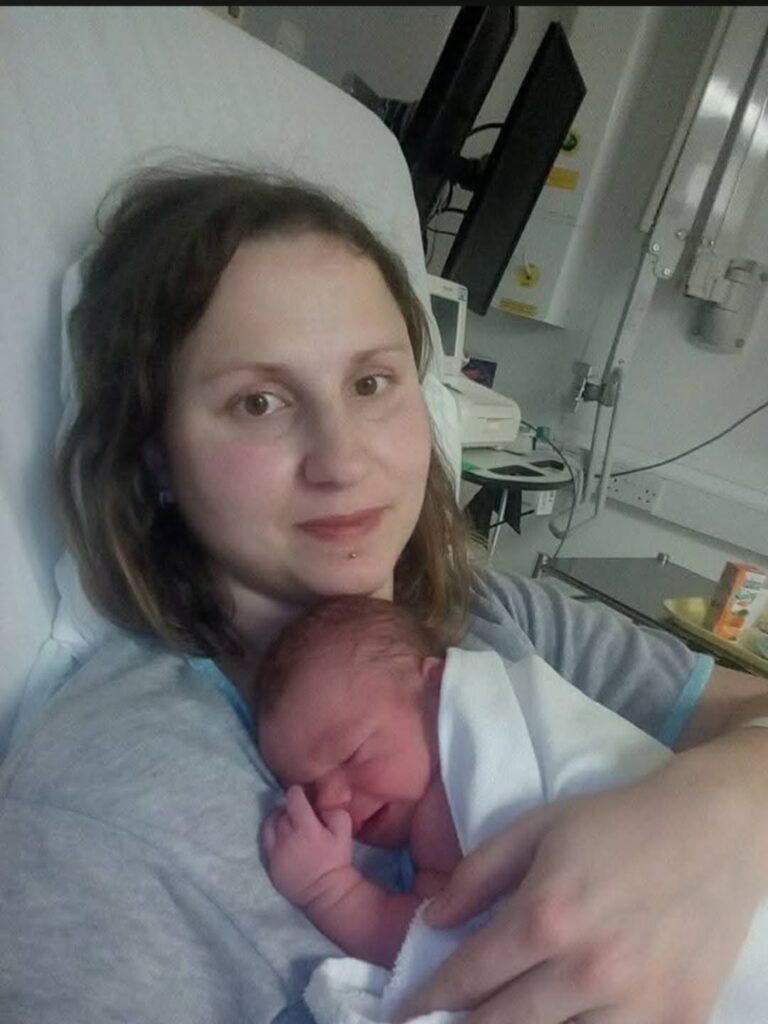
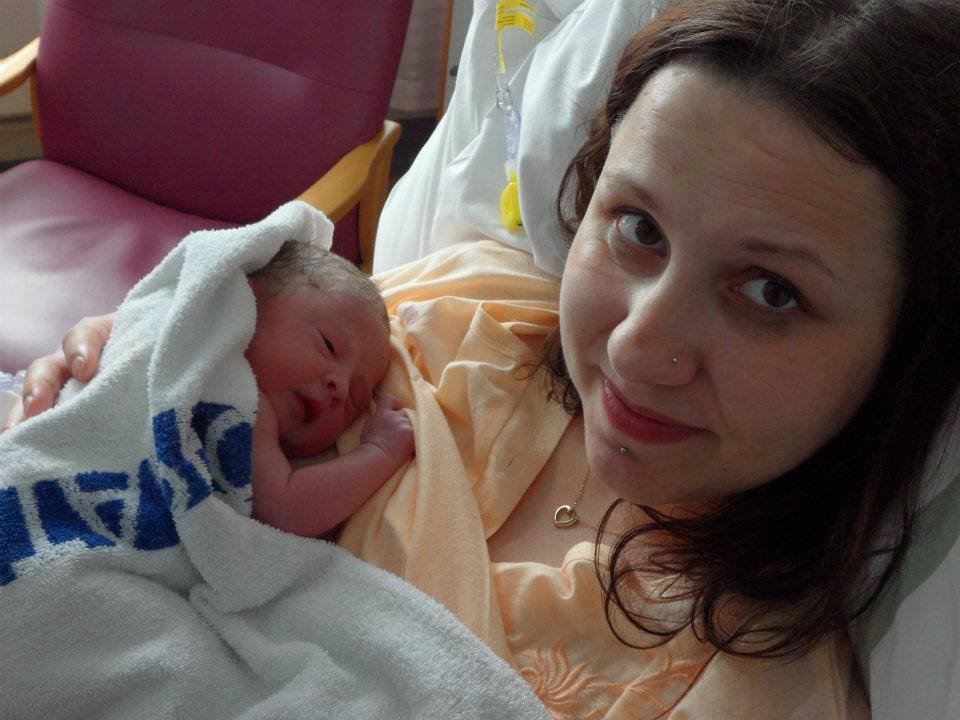
I could shower immediately, and they watched the baby for a moment. My partner could stay with me the whole time, even overnight, and they even offered him food. Breakfast was buffet-style, lunch was brought to my room. I didn’t pay a single penny.
Postnatal Checks
- the day after discharge, a midwife came to our home
- weighing, measuring, jaundice check
- heel‑prick blood test
With my daughter, we had to return to the hospital — she had severe jaundice. She was under blue light day and night. I had to stand by the cot and hold the mask on her eyes so she wouldn’t pull it off. Three or four days on my feet, but always by her side.
After returning home, more checks followed as needed. They also offered to show me how to bathe and care for the baby — but I didn’t need that help.
🔵 Pregnancy in England
Pregnancy care in England varies greatly depending on the region, hospital and the people you meet. Some places do the bare minimum, others are more thorough. Some midwives are wonderful, others barely pay attention.
That’s why I always say: In England, it depends on where you live and who you meet.
🔵
Healthcare in England is often the biggest shock for Slovaks. Not because it’s bad, but because it works completely differently. The NHS is built on simplicity, prevention and patience. Slovakia relies on fast access to specialists and active diagnostics.
While you wait a few weeks for an examination in Slovakia, here you may wait months or even years. Yet I also experienced moments in England that I would never have experienced back home — especially in maternity care. It is calmer, more humane and respectful. For me, it was one of the most beautiful experiences with the NHS.
The IHS fee is high, but in serious medical situations it can save you thousands of pounds. Whether it’s worth it depends on the medical journey you go through here.
And although I went through a lot in the British healthcare system — from endless waiting times to a beautiful birth experience —

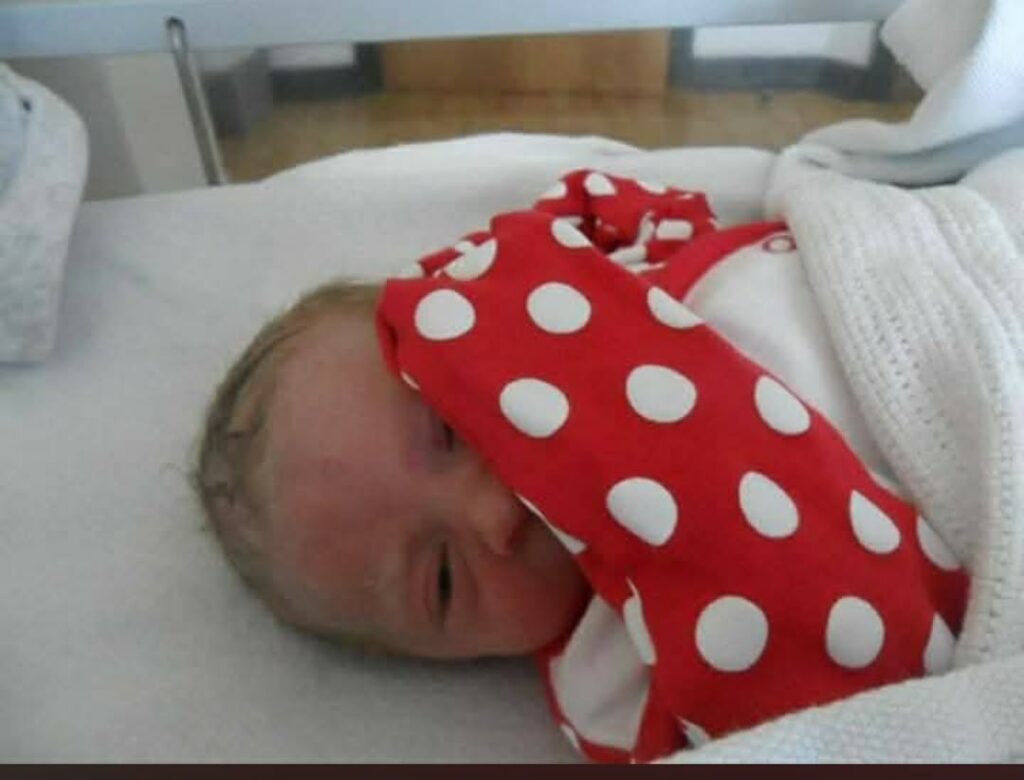
life brought me another big chapter. A chapter that taught me to see the world differently.
In the next blog, we’ll look at what it’s like to have a child who is “different”. I’ll show you the whole process — from the first suspicions, through the early signs, to understanding autism within the British system.
It’s a topic that deserves its own space — and a lot of heart.
Discover more from s Dee o nás
Subscribe to get the latest posts sent to your email.